
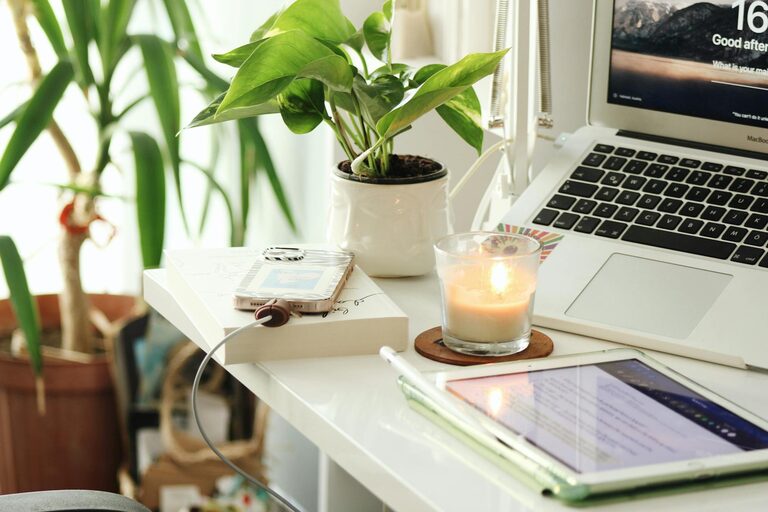
Creating a home office that feels both cozy and productive can make a significant difference in your work-from-home experience. Whether you are working remotely full-time or just occasionally, having a dedicated space that supports your focus and comfort is essential. In this post, we’ll explore simple and practical tips to help you design a home office that invites productivity while keeping it warm and inviting.
Why a Cozy Home Office Matters
When working from home, distractions are everywhere—from household chores to family members and even the comfort of your couch. A well-designed home office helps you separate work time from relaxation and promotes better concentration. Additionally, comfort in your workspace can reduce stress and prevent burnout, making your workday more enjoyable. Let’s dive into how you can create such a space.
Choose the Right Location
Find a Dedicated Space
Where you set up your home office makes a big difference. Choose a dedicated corner or room that you can consistently use for work. This separation helps train your brain to switch into work mode whenever you enter the space.
Consider Natural Light
Natural light boosts mood and energy levels. Try to position your desk near a window to take advantage of daylight. If this isn’t possible, invest in full-spectrum lighting to mimic natural daylight and reduce eye strain.
Invest in Comfortable and Functional Furniture
Ergonomic Chair and Desk
Comfort is key during long work hours. An ergonomic chair with good lumbar support and a desk at the right height can lessen physical strain and improve focus.
Adjustable Options
Consider desks that can adjust between sitting and standing positions. Changing posture throughout the day can increase productivity and reduce fatigue.
Organize to Minimize Clutter
Smart Storage Solutions
Use shelves, drawers, and organizers to keep paperwork and supplies tidy. Less clutter equals less distraction.
Cable Management
Keep cords and cables out of the way with clips, sleeves, or cable boxes. A clean area looks tidier and helps you focus on the task at hand.
Personalize Your Space
Add Personal Touches
Display photos, artwork, or plants that inspire you without overwhelming the space. These elements make the office feel inviting and uniquely yours.
Use Calming Colors
Soft, neutral tones or pastels create a relaxing environment. Avoid overly bright or harsh colors that can be distracting or stressful.
Pay Attention to Lighting and Ambience
Layer Your Lighting
Combine overhead lights with task lighting like desk lamps. Adjustable lamps help you focus light where you need it the most.
Control Glare
Position screens to avoid glare from windows or lights. An anti-glare screen protector can also help reduce eye strain.
Maintain a Comfortable Temperature and Air Quality
Keep It Fresh
Good ventilation and air circulation help you stay alert. Open windows when weather permits or use a fan or air purifier.
Temperature Control
Ensure the room temperature is comfortable. Use a space heater or fan if necessary to avoid discomfort that can distract from work.
Develop a Routine and Keep Boundaries
Set Work Hours
Establish regular work hours and stick to them. Creating clear boundaries between work and personal time improves focus during work hours and helps you relax afterward.
Take Breaks
Incorporate short breaks to stretch and move around. This can boost energy and productivity.
Incorporate Technology Wisely
Reliable Internet and Equipment
Ensure your internet connection and office equipment like printers and monitors are reliable. Tech troubles can disrupt your workflow and cause frustration.
Minimize Distractions
Turn off non-essential notifications or use apps that help block distracting websites during work hours.
Make It Green and Inviting
Indoor Plants
Adding a few low-maintenance plants improves air quality and brings a sense of calm.
Pleasant Scents
Using subtle scents like lavender or citrus with a diffuser or candles can create a soothing atmosphere (just be mindful of allergies).
Final Thoughts
Creating a cozy and productive home office is about balancing comfort with functionality. By selecting the right location, investing in good furniture, organizing thoughtfully, and personalizing the space, you set yourself up for success. Small changes can make a big difference in how you feel and perform during your workday.
Remember, the best workspace is one that suits your personal preferences while supporting your professional needs. Start with these tips, and adjust your space over time to find what works best for you!