
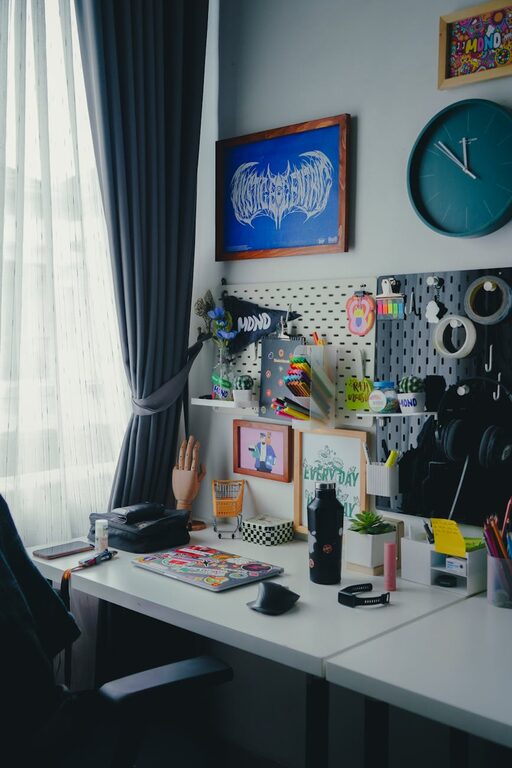
Creating a cozy and functional home workspace is essential for anyone working remotely or spending significant time on personal projects. A well-designed space can boost your productivity, reduce stress, and make work feel more enjoyable. Whether you have a dedicated room or just a small corner, there are practical ways to improve your environment. In this post, we’ll explore tips to help you design a workspace that is both comfortable and highly functional.
Why a Cozy and Functional Workspace Matters
When your workspace is inviting and well-organized, it encourages focus and efficiency. Comfort helps reduce physical strain, while functionality ensures everything you need is within reach. A thoughtfully arranged workspace supports better work habits and can even improve your mood throughout the day.
—
Choose the Right Location
Prioritize Natural Light
Whenever possible, set up your workspace near a window. Natural light boosts energy and helps reduce eye strain. If natural light is limited, invest in good quality artificial lighting that mimics daylight.
Minimize Noise and Distractions
Select a quiet space where interruptions are minimal. If you live with others, let them know your work hours to reduce interruptions. Using noise-canceling headphones or soft background music can also help keep distractions at bay.
—
Select Comfortable and Ergonomic Furniture
Invest in a Good Chair
A supportive chair is crucial for long hours at a desk. Look for adjustable chairs with lumbar support to maintain good posture.
Choose the Right Desk
Your desk should offer enough surface area to accommodate your computer, accessories, and workspace essentials without feeling cluttered. Adjustable desks that allow you to switch between sitting and standing can be a great option.
—
Organize for Efficiency
Declutter Your Space
Keep only what you need within reach. A clutter-free desk reduces stress and makes it easier to concentrate.
Use Storage Solutions
Drawers, shelves, or bins can help organize papers, office supplies, and cables. Labeling storage containers can save time searching for items later.
Cable Management
Tangled cords can be distracting and unsafe. Use clips, sleeves, or cable boxes to keep wires tidy.
—
Add Personal and Cozy Touches
Incorporate Plants
Indoor plants improve air quality and add freshness. Choose low-maintenance plants like succulents or pothos that don’t need constant care.
Use Soft Textiles
Add cushions, a throw blanket, or an area rug to make the space feel warm and inviting.
Display Personal Items
Photos, artwork, or motivational quotes can make your workspace uniquely yours, helping you feel more connected and inspired.
—
Optimize Lighting
Layer Your Lighting
Combine ambient, task, and accent lighting to create a balanced environment. A desk lamp with adjustable brightness helps reduce eye strain while working on detailed tasks.
Avoid Glare
Position monitors and screens to avoid glare from windows or overhead lights. Use blinds or curtains to control sunlight during peak hours.
—
Create Boundaries
Define Your Workspace
If space is limited, use rugs, room dividers, or furniture arrangement to clearly separate your work area from living spaces. This helps mentally switch between work and relaxation.
Set Work Hours
Designate specific hours for work and breaks. Respecting these boundaries maintains a healthy balance between professional and personal time.
—
Incorporate Technology Wisely
Choose Reliable Equipment
Invest in a fast, stable internet connection, a good-quality webcam, and a microphone for video meetings.
Use Productivity Tools
Employ apps for task management, time tracking, and note-taking to stay organized and efficient.
—
Maintain Your Workspace
Clean Regularly
A clean workspace promotes a clear mind. Schedule weekly cleaning to dust, wipe surfaces, and reorganize.
Update and Refresh
Occasionally review your setup to ensure it still meets your needs. Small changes, like updating decor or new accessories, can renew your motivation.
—
Final Thoughts
Creating a cozy and functional home workspace doesn’t have to be complicated or expensive. Thoughtful planning and a few simple adjustments make a big difference in how you work and feel throughout the day. Prioritize comfort, organization, and personalization to build a space that supports your best work. Start small, and gradually tailor your workspace to fit your lifestyle and needs.
—
Remember, the ultimate goal is to craft an environment where you can focus, stay comfortable, and enjoy your work moments—because a happy workspace is a productive workspace.