
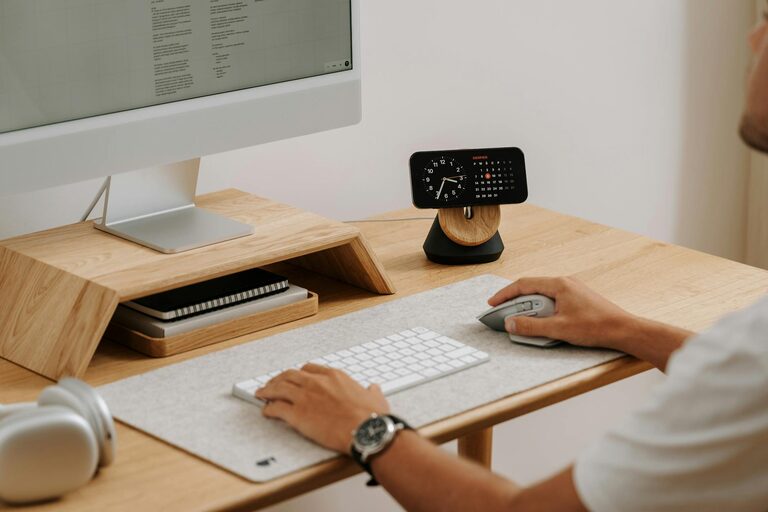
Creating a cozy and productive home office space is essential for anyone working from home or managing personal projects. A well-designed workspace can improve focus, enhance creativity, and make work more enjoyable. Whether you have a dedicated room or just a small corner, there are practical ways to transform your area into a comfortable and efficient office.
Choose the Right Location
Finding the ideal spot in your home for your office is the first step. Here are some factors to consider:
– Natural Light: Try to set up your workspace near a window. Natural light boosts mood and energy, reducing eye strain and enhancing focus.
– Quiet Area: Choose a space with minimal distractions or noise. This will help you maintain concentration and work uninterrupted.
– Space Availability: Make sure you have enough room for your desk, chair, and any equipment or supplies you need.
If a dedicated room isn’t possible, try to designate a specific area that you use only for work. This helps your mind associate the space with productivity.
Invest in Comfortable and Functional Furniture
Your furniture plays a major role in both comfort and productivity.
– Ergonomic Chair: A comfortable chair with good lumbar support is essential to avoid back pain and maintain good posture.
– Desk: Pick a desk with enough surface area for your computer, documents, and other materials. Adjustable desks are a bonus for switching between sitting and standing.
– Storage Solutions: Include shelves, drawers, or filing cabinets to keep your supplies organized and your desk clutter-free.
Organize Your Workspace Efficiently
Clutter can distract and stress you out. Keep your workspace tidy with these tips:
– Use Organizers: Desk trays, pen holders, and cable management tools can prevent mess.
– Declutter Regularly: Set aside time each week to clear unnecessary papers and items.
– Digital Organization: Organize your computer files and inbox to reduce digital clutter.
Personalize Your Space
Adding personal touches makes your workspace feel inviting and inspiring.
– Decor: Include artwork, plants, or photos that make you happy but don’t overwhelm the space.
– Colors: Choose calming or motivating colors for walls or accessories. Soft blues and greens promote calmness, while yellows and oranges encourage creativity.
– Lighting: In addition to natural light, use adjustable lamps with warm bulbs to create a cozy atmosphere.
Minimize Distractions
Keeping distractions at bay helps maintain focus throughout your workday.
– Set Boundaries: Communicate with family or housemates about your work hours and space.
– Use Headphones: Noise-cancelling headphones or soft background music can drown out ambient noise.
– Limit Technology: Turn off non-work-related notifications or apps during work hours.
Incorporate Ergonomics for Health
To stay comfortable during long hours, follow ergonomic best practices:
– Place your monitor at eye level to reduce neck strain.
– Keep your feet flat on the floor or on a footrest.
– Position your keyboard and mouse for easy access without stretching.
– Take regular breaks to stretch and move around.
Maximize Productivity with Smart Tools
Technology and productivity tools help you work smarter:
– Use planners or digital calendars to organize tasks.
– Try focus apps that block distracting websites.
– Keep charging stations handy for your devices.
– Consider a whiteboard or bulletin board to track goals and deadlines.
Maintain a Positive Routine
Your home office is part of your daily routine. Establish habits to keep productivity high:
– Start your day with a morning ritual to get in the work mindset.
– Dress comfortably but suitably to feel prepared.
– Take breaks and step away from your workspace when needed.
– End your workday by tidying your desk, signaling the time to disconnect.
—
Designing a home office that combines coziness with productivity doesn’t have to be complicated. By selecting the right location, investing in comfortable furniture, keeping organized, and personalizing your environment, you can create a space that supports your work and wellbeing. Remember, small improvements over time make a big difference in how you feel and perform while working from home.