
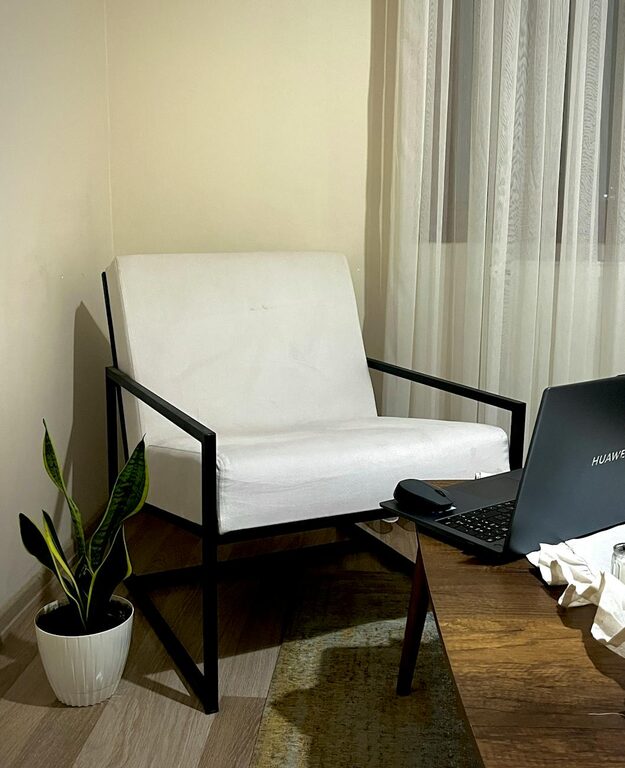
Creating a home office that feels both cozy and inviting can significantly improve your productivity and overall well-being. Whether you’re working remotely full-time or just need a dedicated spot for occasional tasks, your workspace should inspire focus and comfort. Here are practical tips to help you design a home office that you enjoy spending time in.
Choose the Right Location
Selecting the perfect spot for your home office is the first step. Ideally, pick a quiet area with good natural light and minimal distractions. Some good options can include:
– A spare room or guest bedroom
– A corner of your living room or bedroom
– Near a window that offers natural sunlight
Natural light helps reduce eye strain and boosts mood. If natural light is limited, invest in quality lighting solutions like desk lamps with adjustable brightness.
Invest in Comfortable and Functional Furniture
Comfort is key when spending long hours at your desk. Here’s what to consider:
– Ergonomic Chair: An adjustable chair with good lumbar support helps maintain healthy posture.
– Desk Size: Choose a desk big enough to accommodate your computer, notebooks, and any other essentials without feeling cramped.
– Storage Solutions: Utilize shelves, filing cabinets, or organizers to keep your desk clutter-free.
Arranging your furniture thoughtfully also aids productivity. For example, position your desk so that you face the door or window, which tends to feel more welcoming.
Personalize Your Space
Adding personal touches makes your office feel warm and inviting. You don’t have to overdo it—simple additions can make a difference:
– Decor: Hang artwork, framed photos, or inspirational quotes that motivate you.
– Plants: Bring in some greenery; plants improve air quality and add a calming vibe.
– Soft Textiles: Use a cozy rug, cushions, or a throw blanket to add texture and warmth.
Organize for Efficiency
A well-organized workspace minimizes stress and maximizes efficiency. Consider these organizational tips:
– Use Desk Organizers: Keep pens, sticky notes, and other supplies in designated holders.
– Cable Management: Use clips or sleeves to keep cords tidy and out of sight.
– Regular Decluttering: Set aside time weekly to clear away unnecessary items.
Organizing digitally can also help — keep files and emails sorted by project and priority.
Control Lighting and Ambiance
Lighting affects your mood and energy while working. Aim for a layered lighting setup:
– Ambient Lighting: Overhead light that brightens the whole room.
– Task Lighting: A focused desk lamp for detailed work.
– Accent Lighting: Soft lights like fairy lights or a small table lamp for a warm glow.
Adjust the color temperature too; cooler lights are better for focus, while warmer tones create a relaxing atmosphere during breaks.
Add Elements to Reduce Stress
Your home office should be a place where you feel calm and focused:
– Aromatherapy: Use essential oil diffusers or scented candles with relaxing fragrances like lavender or eucalyptus.
– Sound: Consider playing soft background music or white noise to drown out distractions.
– Break Area: If space allows, include a small reading nook or comfy chair for quick mental breaks.
Maintain a Healthy Environment
A cozy office is also a healthy one:
– Good Air Circulation: Open windows or use an air purifier.
– Regular Cleaning: Dust and wipe surfaces to keep germs and allergens at bay.
– Ergonomic Breaks: Incorporate standing or stretching breaks to reduce fatigue.
Final Thoughts
A cozy and inviting home office is possible with just a few thoughtful changes. Prioritize comfort, organization, and personal touches to create a space that supports your work and well-being. Remember, the best office is one that reflects your style and meets your needs, making each workday more enjoyable.
By taking the time to design your workspace intentionally, you’ll find that productivity and motivation naturally follow. Happy decorating!